
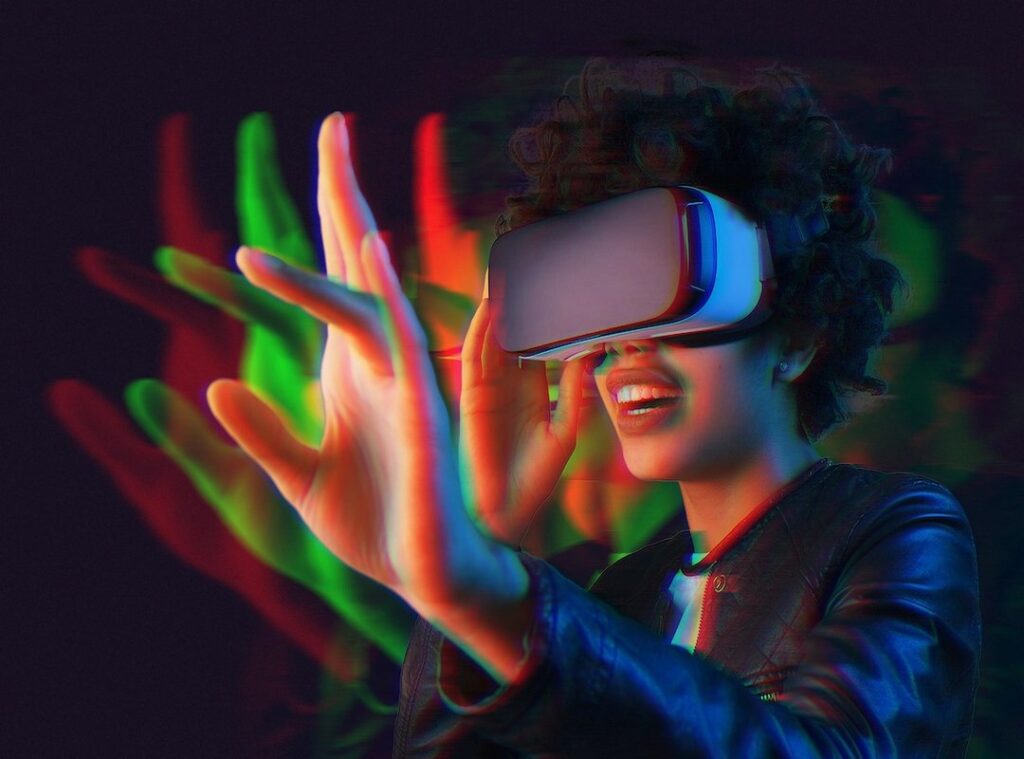
You want to create immersive game worlds, but it’s tough, right? You’re not alone. Many struggle to build engaging gaming environments that truly captivate players.
What do engaging gaming environments look like? They pull you in. They make you forget about everything outside the screen.
It’s more than just pretty graphics. It’s about creating spaces that feel alive, that tell a story, and that make players want to explore every corner.
The problem is, finding the right inspiration or guidance can be overwhelming. You might feel stuck or lost in a sea of information.
This guide has your back. I’ve spent countless hours diving into the latest gaming trends and design principles. I know what works and what doesn’t.
My takeaways come from real experiences in crafting these spaces.
By the end of this article, you’ll have a clearer understanding of how to create those immersive game worlds. You’ll learn practical tips, backed by the latest trends in gaming design. Let’s get you on your way to building environments that players can’t resist.
Trust me, this is where your journey begins.
Gaming’s Secret Sauce: Story, Graphics, Sound, Interactivity
Ever been lost in a game’s world, forgetting reality around you? That’s immersion. Immersive game worlds aren’t just lucky flukes; they’re crafted with intent. Let’s strip it down to its core.
First, the story. No one sticks around for flat characters or predictable plots. A gripping narrative keeps players coming back for more.
Think Skyrim. Who hasn’t spent hours roaming its space, caught in its tales? You feel like a part of it, not just an observer.
Then graphics. Some people say graphics don’t matter, but they’re kidding themselves. They lure you in.
You can’t ignore that. A game like The Witcher 3 captures stunning visuals that spellbind you. Your eyes feast on every detail, making the world feel alive.
Sound is the unsung hero in all this. The right sound pulls you deeper into the game. Without it, something feels off.
Remember Doom? Its soundtrack pumps your adrenaline, syncing perfectly with gameplay. The audio can make or break your gaming experience.
Finally, interactivity. It’s what separates passive media from games. See, games like Minecraft give you control.
You shape the world, and it shapes you. It’s a dialogue, not a monologue.
The magic lies not in individual elements but how they mesh together. Games that nail this keep us hooked. We’re not just playing; we’re living another life.
Games that understand this, and put in the work, are the ones we remember. They’re the ones that matter.
Designing for Engagement: Practical Tips
Designing immersive game worlds isn’t just about pretty graphics. It’s about making players feel like they’re part of something bigger. And you know what?
It’s harder than it looks. You need to focus on user experience. If your game doesn’t engage, players will leave faster than you can say “game over.”
Now, let’s talk player feedback. It’s not just important. It’s key.
You think your design is perfect? Players will find a way to break it (trust me). Listen to them.
Use their feedback to iterate and improve. This isn’t just theory. It’s practical advice.
Iteration is key to keeping your game fresh and engaging.
Balancing game difficulty? That’s an art and a science. If it’s too easy, players get bored.
Too hard, and they get frustrated. You need to find that sweet spot where players feel challenged but not overwhelmed. It’s a tightrope walk.
Get it right, and players will keep coming back for more.
Want a pro tip? Test your game with people who have never seen it. Their first impressions are gold.
They’ll catch things you overlooked.
And don’t forget about narrative design essentials. A strong narrative can raise your game from good to great. It adds depth and keeps players invested.
In the end, designing engaging games is all about making players feel something. So, put yourself in their shoes. What do they want?
What keeps them coming back? Answer these questions, and you’re on the right track.
Tech and Games: A New Frontier
I’m sick of hearing that technology is just a tool. It’s more than that. Take virtual reality.
It’s not just about strapping on a headset. It’s about stepping into new immersive game worlds that change how we play. And let’s not forget AI.
Think about this: games like “No Man’s Sky” use procedural generation powered by AI. This creates vast, unique universes every time you play. It’s not just hype; it’s a shift in how we experience games.
These aren’t just buzzwords anymore. They’re reshaping gaming as we know it.
Now, the potential to transform gaming experiences is huge. VR lets us become characters in these worlds. It’s as if we’re characters in a movie, experiencing every high and low.
But here’s a thought. Are we getting too reliant on these new tech toys? Sometimes the old-school 8-bit games did just fine without all the tech flair.
Yet, I can’t deny the excitement when I dive into 25 immersive open world games to explore. They’re a how far we’ve come. So, where do we draw the line?
Building a Gaming Community: Culture Matters
Creating immersive game worlds isn’t just about graphics and gameplay. It’s about the people involved. You know it (I) know it.

A strong gaming community can make or break an experience. So, why do some games succeed while others flop? It’s simple.
They focus on inclusivity and positivity. Take “Fortnite” for example. It’s not just the ridiculous dances (though they help).
It’s the constant updates and events that keep players engaged and connected.
Ever heard of “Animal Crossing”? Of course, you have. It’s a prime example of building a positive community.
Players trade, visit islands, and share experiences. It’s all about connection. And then there’s “Minecraft”.
It’s a sandbox, sure, but it’s also a social hub. People build, share, and collaborate. That’s the secret sauce.
But here’s the thing. You can’t fake it. Gamers smell corporate nonsense a mile away.
You need authenticity. Real, strong community support. Want to build it?
Encourage player interaction and feedback. Respond. Adapt.
Make them feel heard. Building a connected environment isn’t rocket science. Yet, many fail by ignoring the community they should cherish.
Keep it real. Keep it inclusive. That’s the winning move.
Level Up: Your Gaming Environment
Let’s face it, immersive game worlds aren’t just about graphics. If your gaming setup’s a mess, you’re not optimizing your experience. Start by evaluating the essentials: hardware, software, and ergonomics.
Got a cluttered desk? Clear it. A tidy space boosts focus.
Metrics matter too. Performance tools can highlight system bottlenecks. Use feedback from players (and yourself) to pinpoint what lags your game.
Ever thought about lighting? Proper lighting reduces eye strain and enhances ambiance.
Don’t get stuck in a rut. Keep adapting to player needs and tech changes. Remember, in gaming, change is constant.
Want a real boost? Check out the Art Of Balancing Gameplay. It’s a game-changer for refining your setup.
Pro tip: Regular updates to your gaming software make sure peak performance. So, tweak those settings and dive deeper into your favorite virtual realms. Who doesn’t want to be the best player they can be?
Transform Your Gameplay Now
You’ve got the strategies to create immersive game worlds. Now it’s time to put them into action. Your effort can take your gaming experience to new heights.
Don’t just play; engage. Dive into the technologies and techniques that can raise your environment.
What are you waiting for? Embrace the challenge and see the difference. You deserve a gaming experience that captivates and excites.
Start experimenting today. Take the plunge into new ideas. Your gaming future awaits.
If you want to truly boost your experience, jump in now and transform your gameplay.
 alba39 is the creative force driving the site’s deep dives into game design and cultural trends. With an eye for the aesthetic and structural nuances of digital environments, alba39 explores how world-building and narrative design influence the overall gaming experience. Their work often highlights the artistry behind the screen, providing readers with insightful commentary on where the industry is headed and how emerging trends are reshaping the way we interact with virtual spaces.