
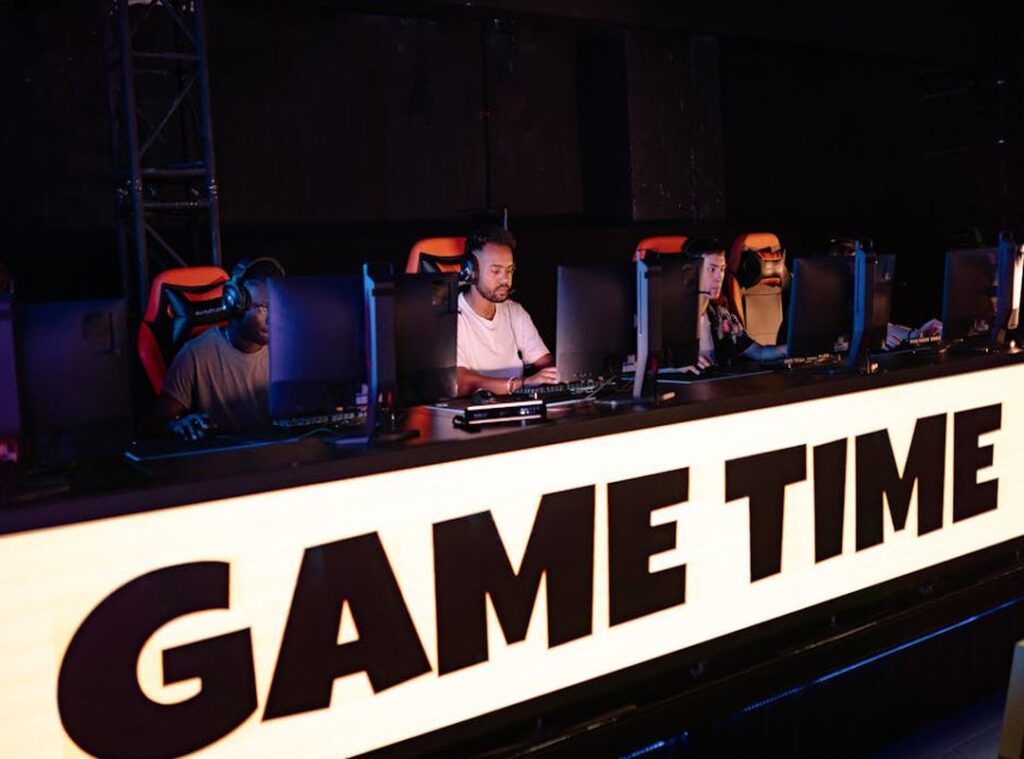
In gaming, split-second decisions can make all the difference. You know what I mean. A millisecond too slow and you’re toast.
Many gamers face this struggle with slow response times that can tank their performance. It’s frustrating, right?
But here’s the good news. Improving your reaction time gaming is possible. I’ve dived into this topic and found actionable tips that can help you sharpen your skills.
Trust me, I’ve been there. I’ve dealt with those moments when my fingers just wouldn’t cooperate. I understand the pressure of those high-stakes scenarios.
What if you could turn that around? Imagine responding faster and more effectively, giving you an edge over your competition.
This article offers clear explanations and practical advice to boost your response time. You won’t just read about theories; you’ll get real strategies you can start using today.
By the end, I promise you’ll feel more confident in your gameplay. So, let’s dig in and take your gaming skills to the next level. It’s time to stop lagging behind and start owning those key moments in-game.
Ready? Let’s go!
Gaming Response Time: The Real MVP
Reaction time gaming is key. It makes or breaks your experience, especially in fast-paced games. Ever missed a shot in a first-person shooter and blamed your reaction time?
You’re not alone. But what is gaming response time, really?
It’s the delay between you doing something and the game reacting. Like when you press a button, and your character jumps. Simple, right?
But there’s more to it. Hardware matters. Your monitor, your console, even your internet connection all play a role.
A slow network can ruin your game, turning the smoothest plan into a lag-fest.
Consider different genres. In first-person shooters (FPS), every millisecond counts. A slow response can mean losing a match.
Real-time plan (RTS) games, though, might give you a bit more leeway. But even there, speed is key.
Here’s a common misconception: “I have a high refresh rate, so my response time is great.” Not always true. Refresh rate and response time are not the same. Refresh rate is how often your screen updates, while response time is how fast pixels change color.
Both are important, but they aren’t interchangeable.
For gamers looking to dominate, improving in-game plan is important. It’s not just about fast reactions. It’s about making smart choices.
You can explore more on improving in game plan.
So, next time you’re frustrated by a slow response, check your gear. Or maybe it’s time to rethink your plan. Reaction time might be the buzzword, but understanding it fully can change how you play. Adapt and conquer.
Turbocharge Your Gaming: Faster Response Times
Ever wonder why some gamers seem to react faster? Let me tell you, it’s not just about reflexes. It’s about the hardware.
If you’re into reaction time gaming like me, you know the right gear can make all the difference. First off, consider your monitor. I’ve spent hours testing and trust me, a high refresh rate monitor is a game-changer.
It smooths out motion, reducing blur. You’ll notice the difference immediately.
Now, let’s talk about GPUs. They’re the engine behind those stunning graphics and smooth gameplay. I upgraded mine recently and it was like going from a bicycle to a sports car.
More frames mean less lag. But don’t just buy the most expensive one. Match it with your monitor’s specs for the best result.
Pro tip: Keep those drivers updated. Sounds basic, right? Yet so many people skip it.
Outdated drivers can bottleneck performance. Regular updates will give you the smoothest experience and sometimes open up new features.
Gaming peripherals matter too. A responsive keyboard and mouse can shave milliseconds off your reaction time. Look for low-latency models designed for gaming.
It might feel nerdy, but customizing your settings can give you an edge. Adjust in-game settings for responsiveness. I’ve found that tweaking graphics settings can improve frame rates a lot.
Finally, don’t underestimate the power of firmware updates. They’re not just for fixing bugs. These updates often improve latency and response times.
For more takeaways on hardware and performance, check out pmc2871325. Keep experimenting. You’ll find what works best for you.
Boost Your Gaming: Faster, Stronger Network
Let’s face it, reaction time in gaming can make or break your experience. If you’re lagging, you’re losing. Network speed and stability are key here.

Without them, even the best skills won’t save you. You need a rock-solid connection, and I’ve got a few tricks to help you out.
First off, ditch the Wi-Fi. I know, wireless is convenient, but for serious gamers, it’s all about that wired connection. Plugging straight into your router minimizes interference.
You’ll see less ping and latency, which makes your gaming smoother. Think of it like swapping a rusty bike for a racing car. A wired setup is just faster.
It’s not magic, but it feels like it when you see the difference.
Now, about those router settings. You might not love fiddling with tech, but trust me, a few tweaks can work wonders. Prioritize gaming traffic, reduce congestion, and maybe even switch to a less crowded channel.
Got a stubborn ping? One word: Ethernet. Your ping’s worst enemy is distance and interference.
Ethernet cables cut both, giving you a direct line to faster speeds. And remember, servers matter. Pick the right server location and watch your response time improve.
Finally, there’s the software side. Keep your drivers updated and close background apps. They can hog bandwidth without you even knowing it.
You want every bit of speed focused on your game. Reaction time gaming is all about fine-tuning these elements. So, are you ready to level up your network and your game?
Game On: Mastering Reaction Time
You know what’s key in reaction time gaming? Speed. If you’re like me, always chasing that hard to find edge, you’ve probably tried everything under the sun to get faster.
But let’s cut through the noise. Training reflexes isn’t just about how fast you can hit a button. It’s about consistency and practice.
Ever heard of digital tools? Apps like Aim Lab track your performance, helping you shave off those precious milliseconds.
But don’t just rely on tech. Professional gamers swear by regular drills. One exercise I love involves a simple tennis ball.
Toss it against a wall and catch it with one hand (sounds silly, but it works). And yes, this isn’t just for FPS fanatics. Every genre benefits.
Curious about how the pros maintain their peak? It’s not just Red Bull and pizza. Sleep, diet, and even meditation play a role.
Seriously, your brain needs fuel to process those split-second decisions.
For more on leveling up, check out these level up pro gamer tips. Because let’s face it, in gaming, every millisecond counts.
Boost Your Game Now
Optimizing your response time will take your gaming performance to the next level. I covered key steps you can apply right away, so don’t hesitate.
These strategies will deliver tangible improvements you can see.
Are you ready to level up? Start implementing these tips and watch your skills soar.
I want to hear about your progress. Share your experiences or reach out if you need more advice.
The world of reaction time gaming is waiting for you.
Don’t hold back. Get started and raise your gameplay now!
 As a lead strategist and community coordinator, BoldStorm serves as the backbone of the platform’s competitive analysis wing. Known for a meticulous approach to breaking down complex game mechanics, BoldStorm focuses on translating high-level strategy into actionable tips for the broader player base. By navigating the intersection of player psychology and technical design, they ensure the community stays informed on the latest tactical shifts while fostering a culture of continuous improvement and fair play.