
Game development is tough. I get it. It’s rewarding, but without a clear roadmap, you can easily fall into common traps.
I’m here to help you avoid those pitfalls.
In this article, I’ll lay out important guidelines for successful game development. You’ll find a structured approach that simplifies the complexities of creating a game.
I have a deep understanding of game design principles, industry trends, and what engages players. I’ve analyzed successful projects to see what works. I know what drives players and keeps them coming back.
You’re probably wondering how to turn your ideas into a game that resonates. This article will give you actionable takeaways, so you can get through your game creation journey with confidence.
Stick with me, and you’ll gain the clarity you need to make your game a success. Together, we’ll tackle the challenges and make something great.
Phase 1: The Important Start. Pre-production & Concept Validation
Let’s talk about the backbone of game creation: pre-production. It’s where you lay the groundwork to avoid costly mistakes down the line. You know, the kind that makes you want to pull your hair out.
First, nail down your core concept. What’s the unique hook? Why will players care?
It’s not just about cool graphics or flashy mechanics. It’s about creating something that resonates. You don’t want to build another clone of what’s already out there.
Understand your audience. Who’s going to play your game? Do your market research.
If there’s no interest, you’re dead in the water.
Then, there’s the Game Design Document (GDD). Think of it as your project’s bible. It covers mechanics, art style, narrative, and technical needs.
Keep it concise but thorough. You don’t want to miss any key details.
Pro tip: Start prototyping early. Test those core mechanics. See if your concept holds water.
If it doesn’t, better to find out sooner than later. Game design principles aren’t just theory (they’re) what separates a successful launch from a flop.
Get this phase right, and you’re on your way to creating something truly special. Don’t skip it.
Crafting the Perfect Game Loop: Engage or Bust
Let’s talk core gameplay loops. They’re the backbone of any game, the secret sauce if you will. What’s the big deal?
This loop (play, learn, reward) keeps players hooked. It’s not just about shooting or jumping; it’s about creating a flow that feels right.
Now, iterative design is your best friend. Build something, test it, tear it apart. Do it again.
And again. That’s how you create something truly satisfying. Player feedback?
Get it early. It’s not about listening to every complaint but spotting patterns. Use it to make informed decisions.
Difficulty curves are tricky. Too hard, players rage quit. Too easy, they get bored.
Balance is everything. It’s an art, not science. And player progression?
Give them something to strive for, not in the first five minutes, but gradually.
Playtesting isn’t optional. It’s key. Get fresh eyes on your game, and not just your friend’s cousin who plays casually.
Set up sessions that mimic real-world play. Keep them honest. And if you want more on creating immersive game worlds, there’s a lot to explore.
The future of game design is all about refining these loops. So, what’s your next move?
Technical Excellence: Building for Stability and Success
Ever tried to untangle messy code? It’s like a bad mystery novel. That’s why clear coding standards are non-negotiable.
They keep the chaos at bay. Documentation, though tedious, is your best friend. Trust me, future you will thank you.
Choosing the right game engine isn’t just a technical decision. It’s strategic. Your project’s scope and your team’s expertise should guide this choice.
Pick an engine that fits, not the one everyone raves about. And don’t underestimate the power of the right tools. They can transform your development process.
Let’s talk version control. Without it, managing code and assets is like herding cats. Use Git or another system to collaborate smoothly.
You’ll avoid headaches (and maybe a few arguments).
Performance optimization from the start is key. Focus on CPU, GPU, and memory. Get these right, and you’re already ahead.
Testing protocols are important. Unit, integration, and regression tests make sure stability. Otherwise, bugs will creep in and ruin your day.
And for those curious about the art of balancing gameplay, it’s a key part of game design principles. It’s not just about tech (it’s) about creating an experience worth diving into.
Game Design: The Player’s Front Row Seat
When it comes to game design, user experience (UX) and user interface (UI) are king. You know it, I know it. A clunky UI can ruin even the best gameplay.
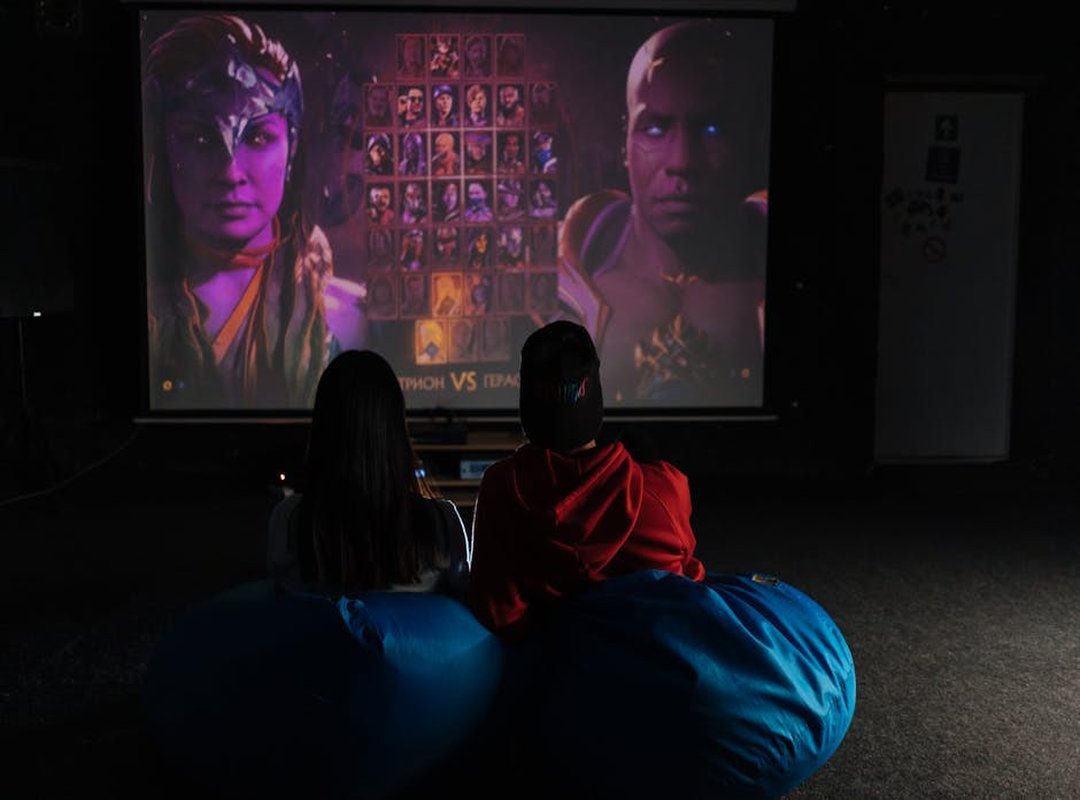
So why settle for average?
Let’s talk about creating intuitive and responsive UI elements. They should make gameplay smoother, not become obstacles. Think of a game you loved.
Wasn’t it the smooth controls that kept you hooked?
Now, onboarding. It’s not about dropping players in the middle of chaos. Clear tutorials and gradual introductions to mechanics are key.
This keeps players engaged without overwhelming them.
Accessibility is another big one. Customizable controls, colorblind modes, adjustable text sizes, and audio options aren’t just nice-to-haves. They’re important for reaching diverse players.
Why limit your audience?
Designing for everyone from the start is smart. Consider the varied needs and preferences players bring to the table. It’s about inclusion.
This can be your edge in a crowded market.
For a deeper dive into game design principles, explore more structured takeaways. Designing with these principles in mind can transform your game from good to unforgettable. Don’t let outdated UI or exclusionary practices hold you back.
Phase 5: Beyond Launch (What’s) Next?
Game development doesn’t just stop after launch. No, that’s when the real work begins. Continuous updates, bug fixes, and content additions are key.
It’s a cycle that keeps the community engaged. But how do we keep everyone happy?
Building a strong player community takes effort. You need active engagement and transparent communication. People want to feel heard.
So, listen to feedback and interact genuinely. It’s not rocket science; it’s just about being honest.
Monetization is tricky. You have to be ethical and respect your players. They aren’t just wallets to exploit.
Post-launch data is gold. Analyze it to inform future updates. What’s working?
Offer real value, or risk losing them. It’s about balance. We’ve all seen what happens when greed takes over.
What’s not? This helps refine your game design principles. Does it all sound like too much?
It can be, but it’s necessary for growth.
Long-term support is key. Consider expansions or sequels based on player feedback and market trends. Think ahead.
Will your game stand the test of time? Only if you plan for it. Remember, the gaming world never sleeps.
Your Path to Game Development Mastery
By following these structured game development guidelines, you boost your chances of crafting a successful game. The journey of creating a game can feel overwhelming without clear direction. These guidelines transform your vague ideas into tangible, enjoyable experiences.
So why wait? Apply these game design principles to your current project or the next big idea you have. Dive deeper into resources that can sharpen your skills in game design.
Take action now. Your vision deserves it. Start today and turn your concepts into reality.
Let’s make your game stand out.
 alba39 is the creative force driving the site’s deep dives into game design and cultural trends. With an eye for the aesthetic and structural nuances of digital environments, alba39 explores how world-building and narrative design influence the overall gaming experience. Their work often highlights the artistry behind the screen, providing readers with insightful commentary on where the industry is headed and how emerging trends are reshaping the way we interact with virtual spaces.