
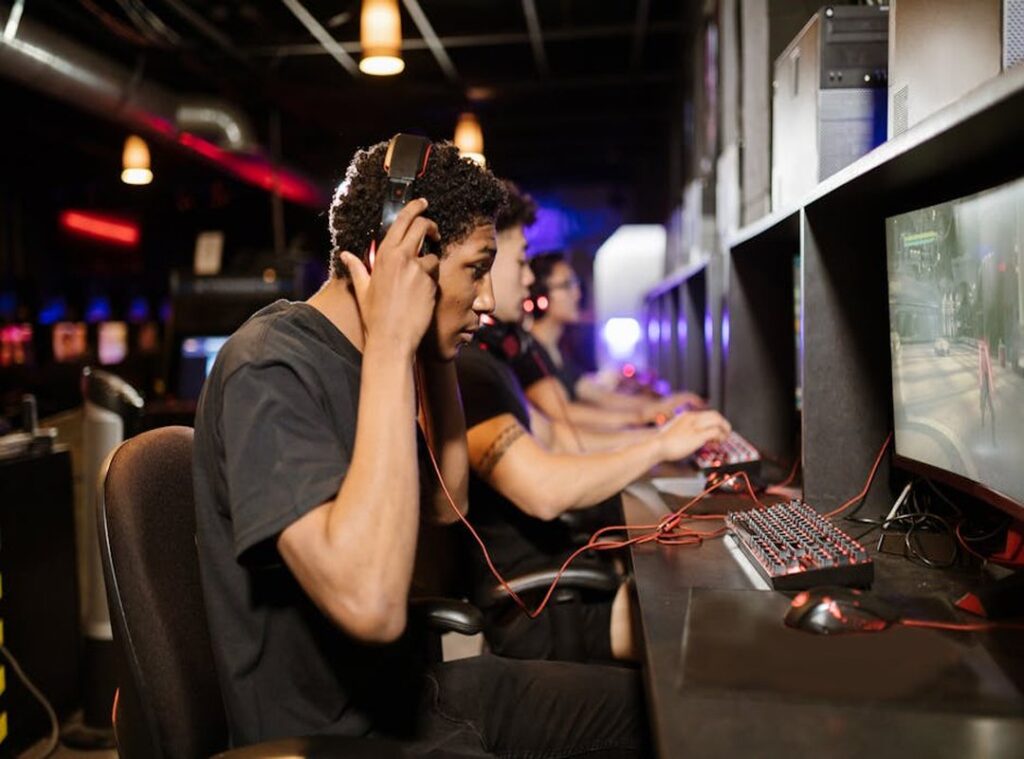
The thrill of competitive gaming can feel lonely. You grind for hours, but without a team, it’s hard to find your way. Many passionate gamers struggle to connect with others who truly understand their drive, and that stalls skill development.
I’ve been there. You miss out on opportunities to improve and feel isolated in your journey.
I know gaming culture and the dynamics of community. I’ve seen what happens when players don’t have a supportive environment. It can be frustrating.
But it doesn’t have to be that way. This article will help you get through the world of esports culture.
I’ll share takeaways that matter, so you can thrive in a competitive gaming community. Whether you want to improve your skills or lead others, I’ve got you covered. and explore how finding the right community can transform your gaming experience. You deserve it.
What Defines a Competitive Gaming Community? More Than Just
When I think about competitive gaming communities, I picture more than just a bunch of gamers shooting for high scores. It’s a structured group of players working toward shared goals. We’re talking about climbing ranks, winning tournaments, and honing skills through dedicated practice.
But what really sets these groups apart from casual ones?
For starters, competitive gaming is strategic. We spend hours planning, coordinating, and discussing our next moves. Unlike casual gamers who might play when the mood strikes, we have set practice schedules (scrims anyone?) and communicate through channels like Discord.
Leadership structures are key too. Somebody’s got to organize the chaos, right?
Think of esports teams, ranked ladder clans, or specialized communities formed around a particular competitive title. It’s all driven by ambition. Sure, there’s fun, but that’s not the main focus.
Esports culture is the glue, providing a shared identity and purpose.
Curious about how inclusivity could be incorporated into these tight-knit spaces? Check out inclusivity diversity in gaming. The real question is, how committed are you to going beyond just playing to win?
Because that’s what makes a community truly competitive.
Beyond Bragging Rights: Why Join a Gaming Community?
Joining a competitive gaming community is more than just about bragging rights. It’s about skill acceleration. When you consistently get feedback and practice with those who are better, you improve fast.
We all want to get better, right?
You also gain camaraderie and support. There’s nothing quite like sharing your passion with people who get it. I mean, isn’t it more fun to game with friends?
You build genuine friendships and encourage one another.
And let’s talk about mental well-being. Gaming communities can combat isolation. Gaming-related stress isn’t uncommon, but belonging to a supportive group makes a difference.
It’s like having a family that gets your gaming obsession without judgment.
These communities also open doors to opportunities. I’m talking about competitive events, team-finding, and even career paths in esports. Esports culture isn’t just gaming.
It’s a gateway to something bigger than yourself.
Plus, there’s the plan and meta-game understanding. When you’re part of a community, you tap into a collective pool of knowledge. Discussions within the group deepen your understanding of game mechanics.
It’s like having insider info on top strategies. Who wouldn’t want that advantage?
Find Your People: Steps to Join a Gaming Community
Finding your tribe in the vast world of gaming can be daunting, but trust me, it’s worth it. Start by diving into online forums like Reddit or game-specific boards. These places are gold mines for connections.
Discord servers? A must. They’re buzzing with activity.
Don’t forget in-game “looking for group” (LFG) features. They’re a quick way to meet players on the same mission. Social media groups can be hit or miss, but when they’re good, they’re great.
Now, let’s talk vetting. You don’t want to end up in a toxic pit. Look for active moderation and a positive vibe.
Is there a clear code of conduct? That’s a good sign. Make sure the skill level matches what you’re aiming for.
Pro tip: “Try before you commit.” Join as a trial member, dip your toes in casual events, and observe the group dynamics. It’s like test-driving a car.
The game you choose matters too. Be passionate about it. Your interest fuels connections.
If you’re curious about how this fits into esports culture, it’s all about the right community. Passion and drive lead to improvement, and the magic happens.
Building a Thriving Competitive Hub: Secrets from the Inside
You’ve got a community to build. It’s not just any community, though. We’re talking about an esports culture where players unite over their love for the game.

Does that sound tough? It should. But here’s the thing: clarity is your best friend.
Start by defining clear goals. What’s your community vibe? Is it all about casual gaming, or are you aiming for semi-pro levels?
This vision becomes your north star in this journey.
Now, let’s get into the nitty-gritty of communication. You need strong channels like Discord or forums (nobody wants to play in a vacuum, right?). And don’t skimp on roles.
Make sure moderators and organizers know their stuff. It’s not just about setting up, but keeping it alive and kicking. Without clear responsibilities, chaos reigns.
Culture matters too. Promote sportsmanship and constructive critique. Ban the trolls (one) toxic voice can poison the well.
Organize activities that excite: practice, tournaments, social events. These are the glue that binds players.
Conflicts? They’re inevitable. Establish fair processes for resolving disputes.
Transparency here isn’t just a buzzword. It’s important. Not every problem can be solved with a ban hammer.
Lastly, think mentorship. Creating a path for newcomers to grow enriches everyone. We all started somewhere.
And when existing members take on leadership roles, magic happens. Want more details on Building Strong Gaming Communities? Definitely check that out.
It’s the real deal.
So, are you ready to create a community that thrives? Start now.
Tackling the Tough Spots: Challenges in Competitive Gaming
Competitive gaming communities are a mixed bag. You’ve got skill disparities, internal conflicts, and the ever-present toxicity. Sound familiar?
It’s like a reality show, but with more pixels and fewer ad breaks. The esports culture is intense, and burnout is real. But there are ways to handle it.
Set boundaries. Know when to step back. If a community starts draining you, it’s time to rethink your involvement.
Leaders need to set up clear rules and dedicated moderation. Without it, chaos reigns. Open feedback channels are key too.
Players want to feel heard, not just herded.
And let’s not forget about keeping things fresh. Organize varied activities to break the monotony. Adaptability is key here.
Communities evolve, and so should your strategies. Flexibility keeps the engagement alive. It’s like a living organism that needs constant nurturing.
So, are you ready to face these challenges head-on?
Level Up Your Gaming Journey
You’ve learned that competitive gaming communities can break the isolation and stagnation you feel.
Esports culture thrives on connections, skill growth, and shared experiences.
You don’t have to go it alone.
Find a community. Engage with fellow gamers.
Or even build your own space for collaboration and fun.
Take that step. It’s time to enrich your gaming experience.
You deserve the camaraderie and growth that comes from a strong network.
Embrace the competitive spirit.
Your gaming journey is waiting for you.
Get out there and forge your path today.
 As a lead strategist and community coordinator, BoldStorm serves as the backbone of the platform’s competitive analysis wing. Known for a meticulous approach to breaking down complex game mechanics, BoldStorm focuses on translating high-level strategy into actionable tips for the broader player base. By navigating the intersection of player psychology and technical design, they ensure the community stays informed on the latest tactical shifts while fostering a culture of continuous improvement and fair play.