
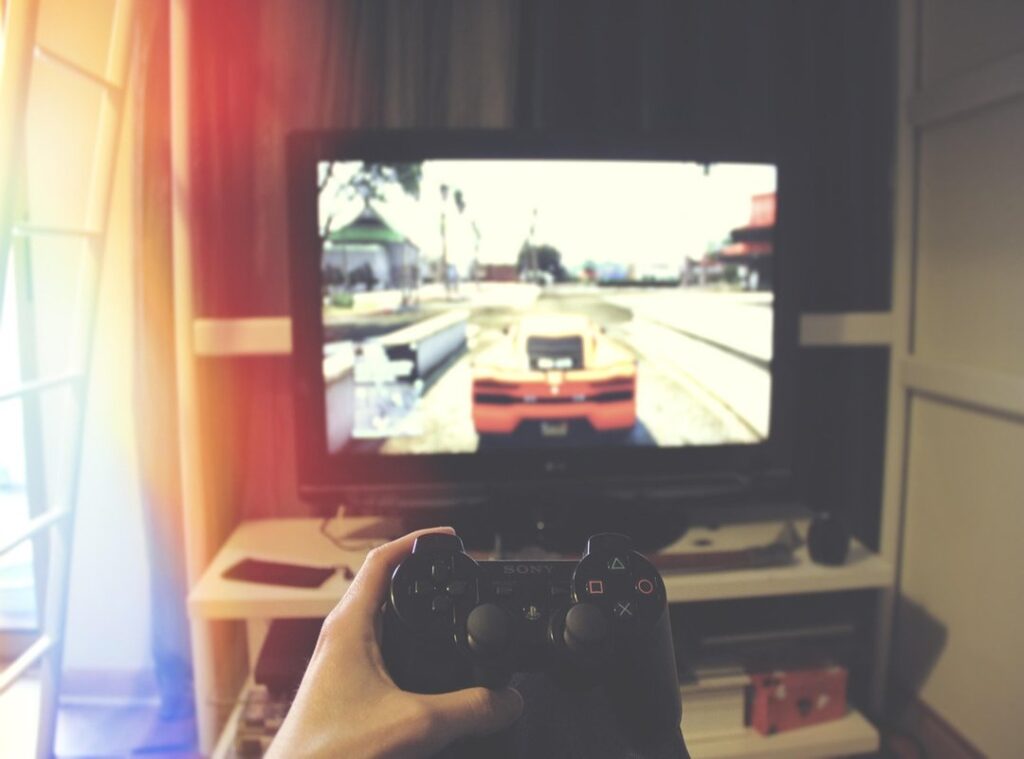
Is gaming truly good or bad for us? It’s a question that sparks endless debates.
Many gamers and their families feel lost in a sea of conflicting information about how gaming affects overall well-being.
I get it. I’m a lifelong gamer, and I’ve seen the ups and downs firsthand. I understand the culture, the trends, and the personal experiences that shape our views on this topic.
That’s why you can trust me when I say this article will cut through the noise.
We’ll explore the real, evidence-backed gaming health impact. Both the positives and negatives.
I won’t sugarcoat anything; you deserve a balanced view.
This isn’t just theory; it’s practical guidance for navigating your gaming experience.
You want to enjoy gaming and feel good about it.
So let’s dive into how you can improve your gaming habits for better health and happiness.
Together, we’ll sift through the facts and give you the takeaways you need.
Get ready to discover how to balance your gaming life while keeping your well-being intact.
Gaming’s Impact: More Than Just Fun
You know what? Gaming isn’t just mindless fun. It sharpens cognitive skills.
I’ve seen how it boosts problem-solving and strategic thinking. Ever tried a complex puzzle game? It’s like a brain workout.
Reaction time and spatial reasoning improve, too. Remember those fast-paced shooters? They demand quick reflexes.
But let’s not forget the emotional side. Gaming can be a fantastic escape. Immersive RPGs and casual games offer stress relief and emotional regulation.
It’s like having your own little world where you control the outcome. Who doesn’t need that sometimes?
Perseverance and resilience? Yeah, games teach that. You fail, you retry, you learn.
It’s a life lesson wrapped in digital pixels. How often do we get that in real life? Not enough, I’d say.
And creativity? It flourishes in gaming. Virtual worlds allow for imaginative thinking and experimentation.
Where else can you build, destroy, and rebuild without real-world consequences? Nowhere.
For those curious about the financial side, check out Unpacking Game Monetization. It’s insightful.
In short, the gaming health impact is real. It’s not just about entertainment. It’s about growth, both mentally and emotionally.
Leveling Up Your Social Life: Gaming’s Role in Community
You ever think about how gaming connects us? It’s not just about mashing buttons and yelling at screens, though that’s a part of it too. Online gaming creates a whole new world where people form real friendships.
I know folks who found their best friends through guilds and clans. They talk plan, share memes, and sometimes even meet up in real life (crazy, right?).
Joining these communities isn’t just for kicks. It’s a playground for building teamwork and communication skills. You can’t win a raid without coordination.
You won’t get far without plan. And let’s not even start on the gaming health impact of all this interaction.
The sense of belonging you get from these gaming communities is incredible. It’s like wearing your team’s jersey but for a game. You have that shared identity, and it’s comforting.
You’re not just alone in your room (you’re) part of something bigger.
I’ve seen relationships blossom from a random game match. People meet online, then end up as roommates or even partners. Gaming might seem like just a hobby, but it’s a catalyst for human connection.
So, pick up that controller; you never know who you might meet.
The Dark Side of Gaming: A Closer Look
Ever felt like gaming steals your time? You’re not alone. The gaming health impact is real, especially when it starts eating into your responsibilities.
School, work, even hobbies can take a backseat. It’s a slippery slope. You might think, “Just one more game,” but before you know it, hours have vanished.
It’s like a black hole for your schedule.
Let’s not forget about sleep. Late-night gaming messes with your sleep patterns. You end up staring at the ceiling instead of counting sheep.
It’s not just the games themselves. It’s the screens. They mess with your circadian rhythms, leaving you tired and cranky.
And what about the emotional toll? When gaming replaces real-world interactions, it can lead to feelings of isolation. I’ve seen it happen.
There’s increased irritability, anxiety. It’s not pretty. If gaming becomes your go-to coping mechanism, it might be time to reassess.
Are there mental health benefits of video games? Sure, are there mental health benefits of video games? But it’s a double-edged sword.
Recognizing problematic gaming behavior is key. Look for signs. When gaming causes more distress than joy, it’s a red flag.
Be mindful of these impacts. They sneak up on you.
Game On: Staying Healthy in the Digital World
Sitting for hours on end? Yeah, I’ve been there too. It’s a classic gamer move, but it comes with a real gaming health impact.
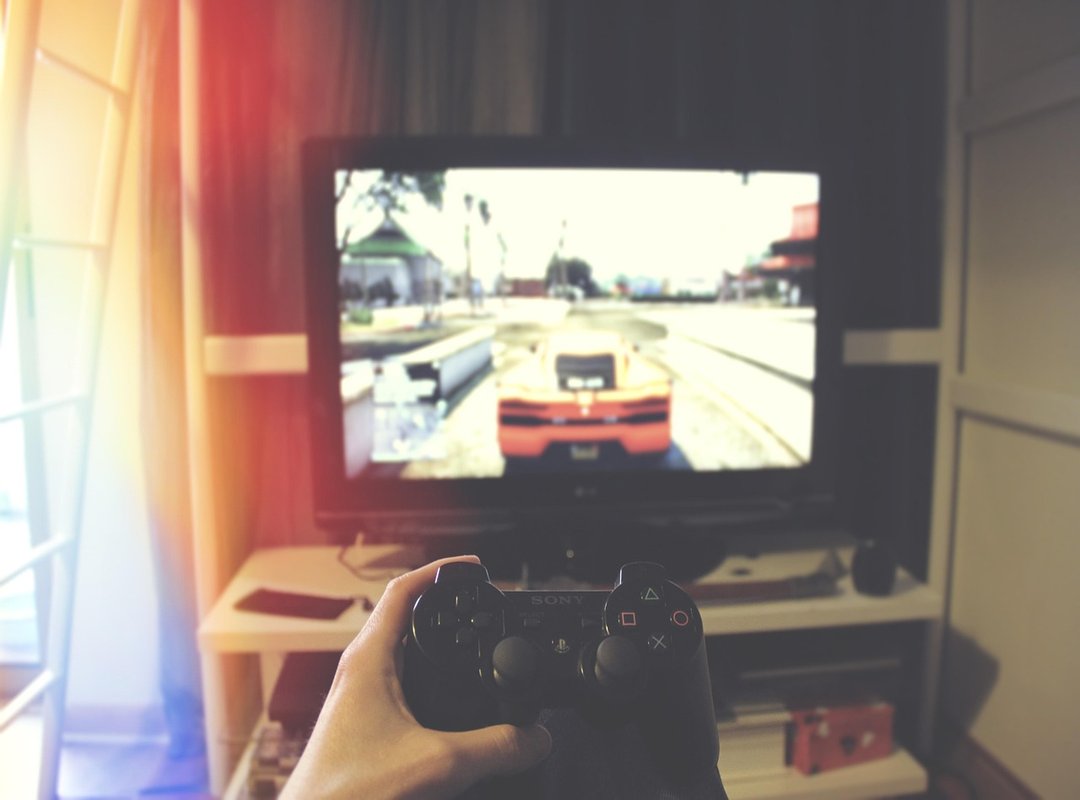
We’re talking obesity and heart issues. Sound familiar? Then there’s eye strain and headaches from staring at screens.
Computer vision syndrome is no joke. It hits hard when you least expect it.
But here’s the kicker: our bodies weren’t made for this. Poor posture leads to back pain, and those marathon sessions can bring on wrist pain (hello, carpal tunnel syndrome). It sneaks up on you, trust me.
Time for action. Regular breaks are a must. Stand up, stretch, move around.
Hydrate often. Water isn’t just for plants, after all. And if you’re looking for more ways to stay informed on gaming, check out this understanding game ratings topic.
It’s a handy read.
Pro tip? Invest in a good chair (your back will thank you). And remember, your avatar’s health is tied to your own.
No virtual victory is worth real-world pain. Keep playing, but do it smart. Your future self will be grateful.
Mastering Balance: Gaming Without the Guilt
Let’s get real. Gaming isn’t just for kids anymore. We all need ways to manage it so it doesn’t take over our lives.
You want to enjoy gaming without the infamous gaming health impact taking its toll, right?
Here’s a pro tip: set clear limits. Use timers to keep sessions in check. (Yes, alarms can be annoying, but they work.) You’d be surprised how much time you save for other activities by just scheduling gaming like any other part of your day.
Now, think about your physical health. Short exercise breaks aren’t just for the gym rats. Even a quick stretch or walk around the house counts.
If you’re really into it, standing desks can change your life.
How about your setup? Ergonomics matter more than you think. Do you have a proper chair?
Is your monitor at eye level? If not, fix it. You’ll thank me when your neck isn’t screaming at you.
Finally, don’t let gaming become an obligation. Recognize when it’s more of a habit than fun. Diversify your hobbies.
And if it ever spirals out of control, don’t hesitate to seek help. Gaming should be a pleasure, not a chore.
Level Up Your Gaming Experience
You found your gaming sweet spot. The gaming health impact is real, and it’s not black and white.
Gaming can boost well-being, but it has its risks. It’s about balance.
You don’t have to demonize or glorify gaming. Understand your relationship with it.
Intentionality and self-awareness are key.
Apply these takeaways to boost your gaming experience.
Set boundaries and develop healthy strategies.
Ready to take action? Dive into responsible gaming content or share your balance tips with others. Together, let’s make gaming a positive part of our lives.
 As a lead strategist and community coordinator, BoldStorm serves as the backbone of the platform’s competitive analysis wing. Known for a meticulous approach to breaking down complex game mechanics, BoldStorm focuses on translating high-level strategy into actionable tips for the broader player base. By navigating the intersection of player psychology and technical design, they ensure the community stays informed on the latest tactical shifts while fostering a culture of continuous improvement and fair play.