
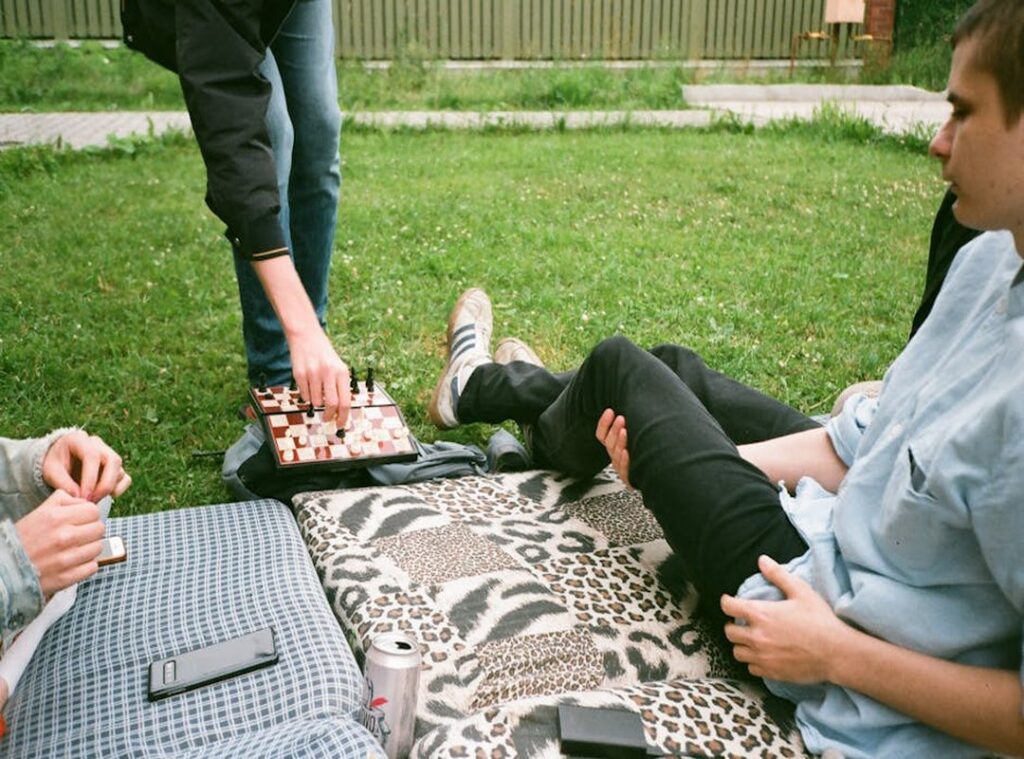
Zhimbom is spreading fast. You’ve seen it at parties. In group chats.
On screens at cafes.
People keep asking me the same thing: Am I allowed to play?
Like there’s a secret club. A bouncer. A test.
There isn’t.
This article answers Who Can Play Zhimbom Game. Straight up. No gatekeeping.
No fine print.
I’ve watched teens jump in cold. Seniors try it after dinner. Teachers use it with restless 7th graders.
It works because it doesn’t ask for much. Just attention. A little curiosity.
And your actual self.
Not your resume. Not your gaming history. Not how fast you type.
So if you’re wondering whether you count (yes.) You do. Even if you’ve never heard of Zhimbom until five seconds ago.
We’ll break down what it really takes to join. No fluff. No jargon.
Just real talk about who’s welcome (spoiler: it’s almost everyone).
By the end, you’ll know exactly where you fit. And why the answer is almost always yes.
Zhimbom Fits Everyone
I played Zhimbom with my 7-year-old niece and my 72-year-old uncle on the same afternoon. (Yes, really.)
You don’t need to know anything about games to start. No tutorials. No practice rounds.
Just open it and go.
Zhimbom works because it’s built for people (not) players.
Who Can Play Zhimbom Game? Anyone who can tap, point, or laugh.
Adults lean in, tease each other, forget their phones. My uncle hasn’t laughed that hard since his fishing trip last summer.
Kids chase the bright shapes and shout when they win. My niece yelled “AGAIN!” before the first round ended.
Grandparents play without squinting at tiny text. Toddlers hold the tablet steady enough to tap. Teens stop scrolling long enough to argue over a move.
There’s no “good” or “bad” here. There’s just your turn. And the person next to you grinning while they wait.
You think you’re too old? Too young? Too uncoordinated?
Try it once. Then ask yourself why you waited.
It doesn’t care if you’ve never held a controller. It doesn’t track your score across sessions. It doesn’t judge your reflexes.
It asks one thing: Are you ready to be part of what’s happening right now?
That’s all.
No setup. No pressure. No gatekeeping.
Just colors, sound, and someone saying your name when it’s your turn.
You’ll forget you were nervous five seconds in.
And if you still doubt it? Play it with someone who isn’t nervous. Watch how fast they pull you in.
Who Can Play Zhimbom Game?
I’ve watched people with arthritis, chronic pain, and mobility aids play Zhimbom (and) win.
They didn’t need to jump or sprint. They didn’t even need to stand.
One player told me: “I sit at the kitchen table and call out patterns before anyone else. My brain moves faster than my knees.”
Zhimbom isn’t about how fast you move. It’s about how fast you see, connect, and speak.
You watch cards. You spot matches. You shout “Zhimbom!” before the other person does.
That’s it.
No running. No bending. No lifting.
Just eyes, ears, and a voice.
Some versions use larger cards. Some let you point instead of shout. Some are played on tablets.
You adapt it. Not the other way around.
Think about your own body right now. What’s easy? What’s hard?
What would make this game work for you?
I’ve seen players swap verbal calls for hand signals. Others use voice-to-text apps. One group plays with only three cards on the table.
Slower pace, same thrill.
It’s not about fitting into the game. It’s about reshaping the game so it fits you.
Who Can Play Zhimbom Game? Anyone who can look, think, and respond (even) if that response is a nod, a tap, or a whisper.
Cognitive exercise shouldn’t feel like physical therapy. Zhimbom isn’t rehab. It’s play.
And play has no prerequisites.
Zhimbom Fits Your Group. Not the Other Way Around

Zhimbom works with one person. Or two. Or ten.
Or more.
I’ve played it alone (just) me and the board (testing) moves, learning patterns. It’s not designed for solo play, but it holds up. You can treat it like a puzzle.
(And yes, you can pause mid-game if your cat knocks over the pieces (Can) I Pause Game Zhimbom.)
Two to four players? That’s where Zhimbom clicks. No waiting.
No downtime. Everyone leans in. My cousin’s six-year-old and her eighty-two-year-old grandfather both yelled over the same tile flip last weekend.
Big parties? It scales. Not by adding rules (but) by letting people jump in and out.
One person rolls. Someone else calls the move. Another grabs the next token.
It’s loud. It’s messy. It’s alive.
Who Can Play Zhimbom Game? Anyone who shows up.
Too many games force you into rigid player counts. Zhimbom doesn’t care if you’re two or twelve. It adapts because the core is simple: watch, react, act.
You don’t need a perfect setup. You don’t need silence. You just need space (and) maybe a second deck of cards if things get wild.
It’s not about fitting the game to your group.
It’s about your group finally fitting into the game.
What You Actually Need to Play Zhimbom
I grab a deck of cards and go.
Zhimbom needs almost nothing.
You need cards. Just one deck. No board.
No timer. No special tokens. (Yes, really.
I’ve played it on a park bench with a $2 deck from the gas station.)
Some people use printed score sheets. I scribble on napkins. You do what works.
There’s a free app if you’d rather tap than shuffle. It runs on phones, tablets, even older ones. No login.
No ads. Just play.
Who Can Play Zhimbom Game? Anyone with ten minutes and half a brain. Kids get it fast.
Grandparents beat me regularly. It’s not about gear. It’s about who’s sitting across from you.
The game doesn’t care if your cards are bent or your phone battery is at 12%. It cares that you’re paying attention. That you’re choosing.
That you’re reacting.
You probably already own what you need.
If not, it’ll cost less than lunch.
New rules drop sometimes (When) the zhimbom game updated keeps things fresh. But the core stays stupid simple. And that’s why it sticks.
Zhimbom Fits Your Life
Who Can Play Zhimbom Game? Almost anyone.
I’ve watched eight-year-olds laugh with grandparents over it. I’ve seen solo players unwind after work. You don’t need special gear.
You don’t need experience.
It’s not built for experts.
It’s built for people who want to play. Not study rules, not prep for hours, not stress over winning.
Age? Doesn’t matter. Skill level?
Irrelevant. Group size? Two or twelve.
Or just you (it) works.
That’s the point. Zhimbom isn’t about gatekeeping. It’s about showing up as you are and having fun now.
You’re tired of games that demand too much. You want connection without complication. You’re ready to stop waiting for the “right time.”
So grab a copy. Or use what’s already in your drawer. No setup.
No pressure. Just play.
Start today. Not tomorrow. Not after you “figure it out.”
Now.
Your turn.
 As a lead strategist and community coordinator, BoldStorm serves as the backbone of the platform’s competitive analysis wing. Known for a meticulous approach to breaking down complex game mechanics, BoldStorm focuses on translating high-level strategy into actionable tips for the broader player base. By navigating the intersection of player psychology and technical design, they ensure the community stays informed on the latest tactical shifts while fostering a culture of continuous improvement and fair play.