
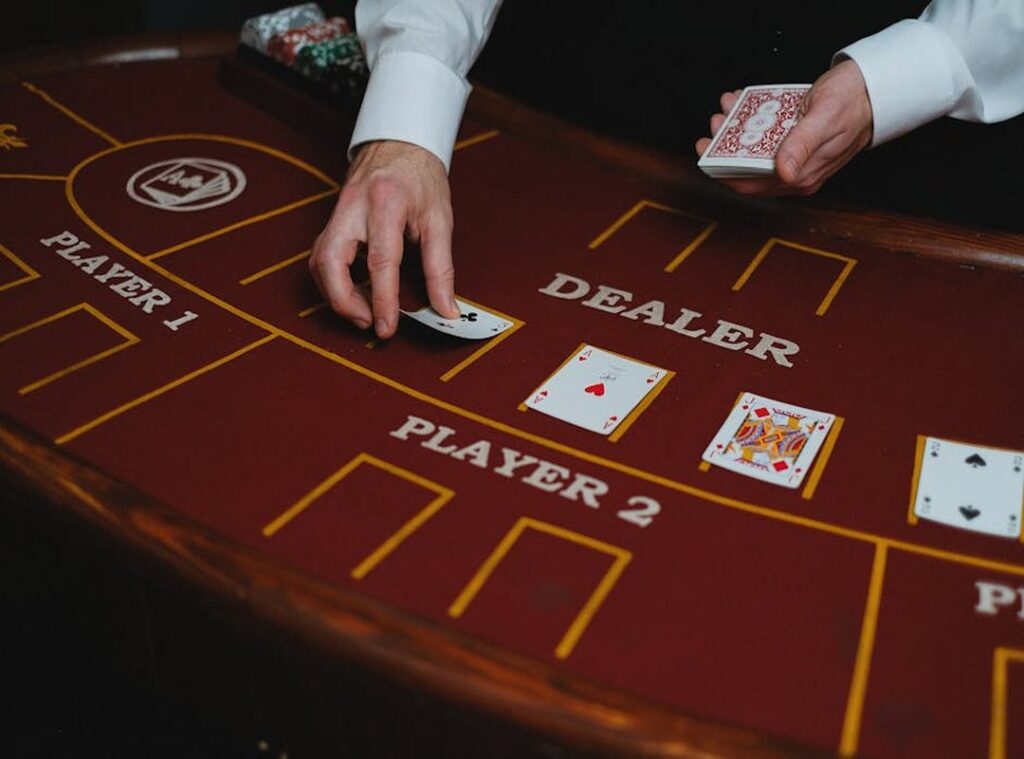
Poker rules look hard until you actually learn them.
I remember staring at a hand of cards, confused about what beat what.
You’re probably thinking the same thing right now.
It’s not about memorizing every edge case. It’s about knowing what matters. And what doesn’t.
So you stop guessing and start deciding.
This guide cuts through the noise. No jargon. No fluff.
Just the core rules you need to play right, today.
How to Master the Poker Rules Dtrgsgamer isn’t some vague promise. It’s the exact path I used (and) it works for beginners who’ve never seen a flop.
Understanding these rules doesn’t just let you play. It lets you read hands. Spot bluffs.
Fold when you should. Bet when you win.
That confidence? It starts here. Not later.
Not after “more experience.” Now.
By the end, you’ll walk up to any table (live) or online (and) know exactly what to do. Not because you’re lucky. Because you finally get it.
This is your foundation.
Everything else builds from this.
What Actually Wins at Poker
I win the pot by having the best five-card hand (or) by making everyone else fold. That’s it. No mystery.
You’re using a standard 52-card deck. Ace is high. Two is low.
Suits don’t matter unless you’re chasing a flush.
Hand rankings are non-negotiable. You must memorize them. Not “kinda know.” Not “I’ll figure it out.” You need them cold.
Royal Flush: 10-J-Q-K-A, same suit. (Yes, it’s rare. But it beats everything.)
Straight Flush: Five cards in order, same suit. Like 4-5-6-7-8 of hearts.
Four of a Kind: Four matching ranks. Think four 7s plus any kicker.
Full House: Three of one rank + two of another. Like three Kings and two 4s.
Flush: Any five cards of the same suit (not) in order. Say, 2-7-9-J-A of clubs.
Straight: Five cards in sequence, mixed suits. 5-6-7-8-9 works. Even if they’re all different suits.
Three of a Kind? Two Pair? One Pair?
High Card? They win lots. Especially online.
Especially when no one hits big.
How to Master the Poker Rules Dtrgsgamer starts here (Dtrgsgamer.) Don’t skip this part. You’ll lose money otherwise. I did.
You don’t have to.
Blinds, Cards, and Betting Rounds
I post the small blind. You post the big blind. That’s how every hand starts.
No choice. No opt-out. Those are forced bets.
They create action. (Otherwise everyone would just fold forever.)
The dealer button moves one seat left after each hand. Whoever has it acts last pre-flop and post-flop. That matters.
A lot.
I get two hole cards. You get two. Everyone gets two.
Face down. Yours only.
Pre-flop: you look at your cards and decide. Fold, call the big blind, or raise.
Then the flop hits. Three community cards. All face up.
Now we bet again.
You’re thinking: Do I have anything? Did I hit? Should I bluff? Yeah.
Me too.
Next comes the turn. One more card. Fourth community card.
Another round of betting.
Then the river. Fifth and final card. Last chance to bet.
That’s five cards total on the board. You use any combination of your two hole cards and those five to make the best five-card hand.
People mess this up all the time. They forget the button moves. They misread who posts which blind.
They act out of turn.
How to Master the Poker Rules Dtrgsgamer means knowing when you’re supposed to act. And why.
It’s not theory. It’s what happens every hand. Every table.
Every time.
You’ll fold most hands. That’s normal. But you need to know why you’re folding (not) just that you are.
The blinds aren’t optional. The order isn’t random. The cards don’t lie.
What You Can Actually Do Right Now

I check when no one’s bet yet. It’s free. I pass the action to the next person.
(You’ve done this. You just didn’t know it had a name.)
I bet when I’m first to act and want chips in the pot. No one else has spoken. This is my move.
If I don’t bet, nothing happens.
I call when someone else bets and I stay in. I match their amount exactly. No more.
No less.
I raise when I think my hand is strong enough to force others out (or) make them pay more to stay. It’s not just aggression. It’s control.
You’re asking: Is this worth it to them?
I fold when I’m done. I toss my cards. I walk away from the pot.
Even if I already put chips in. That money’s gone.
Which action wins? None of them do by themselves. Timing does.
Reading people does. Knowing your hand does. That’s where How to Master the Poker Rules Dtrgsgamer starts to matter.
Not as theory, but as muscle memory.
Want real talk on when to fold versus bluff? Dtrgsgamer Gamers Advice From Digitalrgs breaks it down without fluff. I read it before my last home game. It changed how I raised on the flop.
The Showdown: Who Shows First and Why It Matters
You’re still in after the river. Two or more players left. That’s the showdown.
I show my hand only when I have to. Not before. Not if I’m already beat.
(Unless I’m bluffing on a technicality (and) even then, I usually fold.)
The last person who bet or raised shows first. Simple. If everyone just called, the player closest to the dealer’s left goes first.
You pick the best five-card hand from your two hole cards and the five community cards. No more, no less. Aces high unless it’s a wheel straight.
Tie? Split the pot. Same flush?
Same full house? it pair with same kickers? Yeah. You split.
Side pots happen when someone goes all-in for less. Everyone else keeps betting into their own pot. You can’t win what you didn’t put in.
This is where people mess up. They flip cards early. They misread kickers.
They forget straights wrap around.
How to Master the Poker Rules Dtrgsgamer starts here (not) with memorizing hand rankings, but with knowing when to stay silent and when to slam your cards down.
Which Headphones Should I Get Dtrgsgamer? (Because yeah. You’ll need good audio while grinding those late-night sessions.)
Your First Real Hand
I know you just want to sit down and play without sweating every move. That’s why How to Master the Poker Rules Dtrgsgamer isn’t about memorizing everything at once. It’s about knowing what beats what.
When to call, raise, or fold. How the betting rounds actually flow.
You’ve got hand rankings. You’ve got the four betting rounds. You’ve got player actions (check,) bet, call, raise, fold.
That’s enough to start.
Don’t wait until you’re “ready.”
You won’t be. Not really. Just grab three friends and deal some chips.
Or fire up a $0.01 online table.
You’ll mess up. I did. But you’ll also see patterns.
Spot bluffs. Feel the rhythm.
Once the rules click, plan starts making sense. Not fancy stuff. Just: Who’s tight?
Who bets too much? When should I fold a decent hand?
Poker isn’t about perfection. It’s about showing up and learning one hand at a time.
So stop reading.
Start playing.
Your next hand is waiting.
Deal it.
 As a lead strategist and community coordinator, BoldStorm serves as the backbone of the platform’s competitive analysis wing. Known for a meticulous approach to breaking down complex game mechanics, BoldStorm focuses on translating high-level strategy into actionable tips for the broader player base. By navigating the intersection of player psychology and technical design, they ensure the community stays informed on the latest tactical shifts while fostering a culture of continuous improvement and fair play.